 Peliou
Yellow chain outrigger pads shipment
290View details
Search the whole station Quick mat Video 产品分类菜单
To choose high-quality ground protection mats, you need to match the mat’s specifications—primarily material, load capacity, and tread type—to your specific equipment, ground conditions, and project duration.
The most reliable mats are made from High-Density Polyethylene (HDPE). This material is chemically inert, meaning it won’t absorb water, oil, or chemicals like plywood does, and it resists rotting, splintering, and UV degradation. HDPE mats are also flexible enough to conform to uneven terrain while still distributing weight effectively. Some rigid fiberglass mats exist for specialized applications like utility work near power lines, but HDPE dominates most construction and landscaping uses.
Ground protection mats are generally categorized by their load-bearing capacity. Always verify the specific rating for the mat you’re considering, as capacity varies by thickness and ground conditions.
Thickness is a key indicator of capacity. For reference, a 4×8 ft HDPE mat typically ranges from 12mm (light-duty) to 38-50mm (heavy-duty).
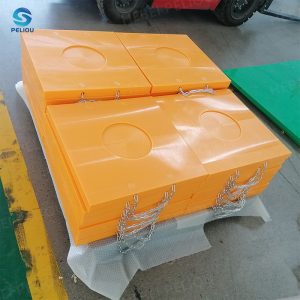
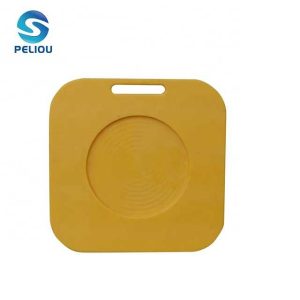
It’s time for product recommendation once a week again. Today I’m going to introduce to you the king of sales this month----outrigger pads. Hope th...
View details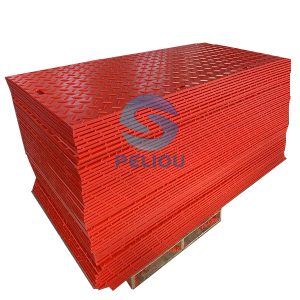
ground protection mats, polyethylene ground protection mats, lawn construction site ground protection mats The ground protection mats for construction sites and lawns is a new type of engi...
View details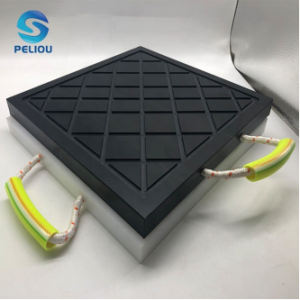
HelloPlease log in