 Peliou
What are the requirements for high-quality polyethylene pads?
2300polyethylene outrigger pads
View detailsSearch the whole station Quick mat Video 产品分类菜单
Ground protection mats are the best choice for safety on soft ground because they directly address the main hazards that soft, unstable terrain creates—sinking, tipping, rutting, and loss of traction—while protecting both people and equipment.
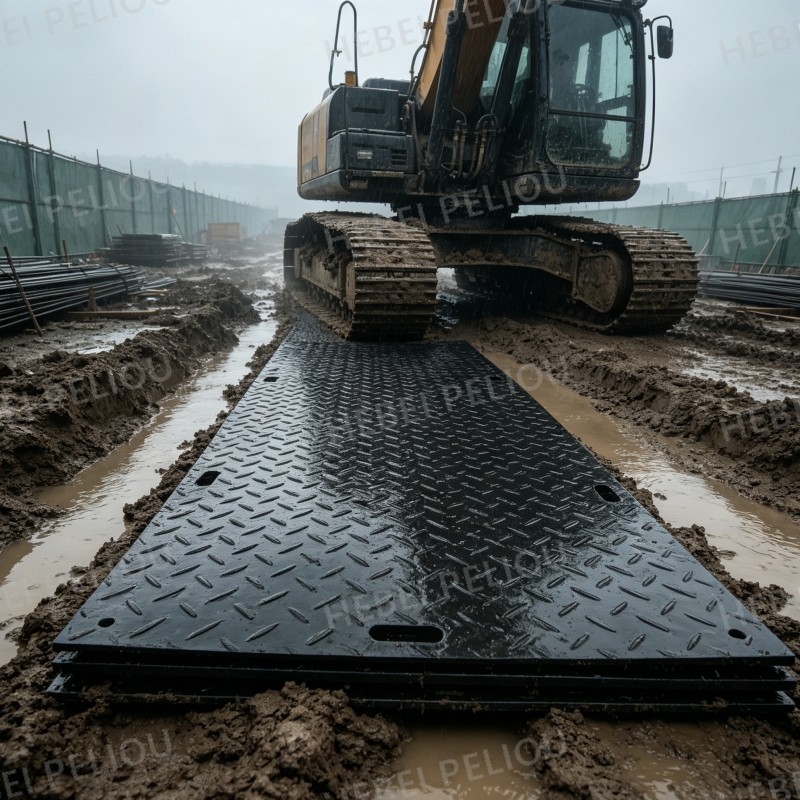
1. They prevent sinkage and tip-overs
On mud, sand, or waterlogged soil, heavy vehicles and equipment can sink or shift suddenly, which is a leading cause of rollovers and crush injuries. Ground protection mats spread weight over a much larger area, lowering ground pressure so vehicles stay stable and level.
2. They create a stable, load-bearing surface
Composite or timber mats interlock to form a continuous “road” or work platform. This eliminates soft spots, sudden drop-offs, and uneven footing that cause slips, trips, and falls for workers on foot.
3. They improve traction
Many mats have textured or cleated surfaces that give boots, tires, and tracks grip even when wet or muddy—reducing slip hazards that are common on bare soft ground.
4. They keep access routes open for emergencies
Soft ground can trap vehicles, blocking ambulance, fire, or rescue access. Mats maintain a reliable path so emergency response isn’t delayed.
5. They reduce manual handling injuries
Without mats, workers often have to lay down plywood, gravel, or timber by hand, or push stuck vehicles. Mats are designed for quick mechanical placement, cutting down on heavy lifting and strain injuries.
6. They protect buried utilities and the environment
By distributing load, mats reduce the risk of damaging underground cables, pipes, or drainage—and they limit soil compaction and erosion, which keeps the site itself safer and more stable.
7. They’re predictable and durable
Unlike makeshift solutions (loose boards, gravel, straw), engineered mats are rated for specific loads and won’t rot, splinter, or collapse unexpectedly. That predictability is what makes them a reliable safety control rather than a temporary fix.
In short, ground protection mats turn an unpredictable, hazardous surface into a controlled, stable one—reducing the risk of vehicle rollovers, slips, falls, and emergency access failures, which is why they’re considered a best-practice safety measure on soft ground.

polyethylene outrigger pads
View details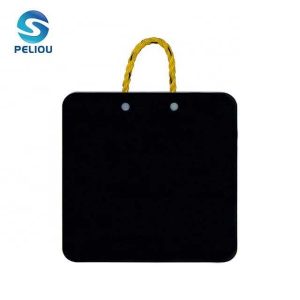
In today's industrial world, choosing the right material is critical to the performance and economics of your equipment. UHMWPE (Ultra-high molecular weight polyethylene) sheet, with its unrivaled...
View details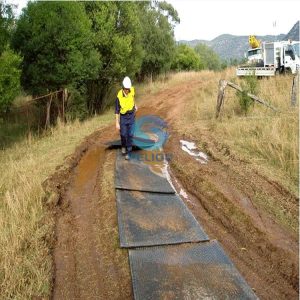
There are many ground protection mats for sale in the market all over the world, so in the face of different quality and brand, so ground protectio...
View details
HelloPlease log in